Four trades we
refuse to subcontract.
Timber, stone, joinery and lime. These four decide whether a house is any good, so we keep them in the building — with our own people, in our own shop.
Nearly every choice below is slower and dearer than the alternative. Each one is here because of what it does in year fifty.
Frames in the shop, raised in a week
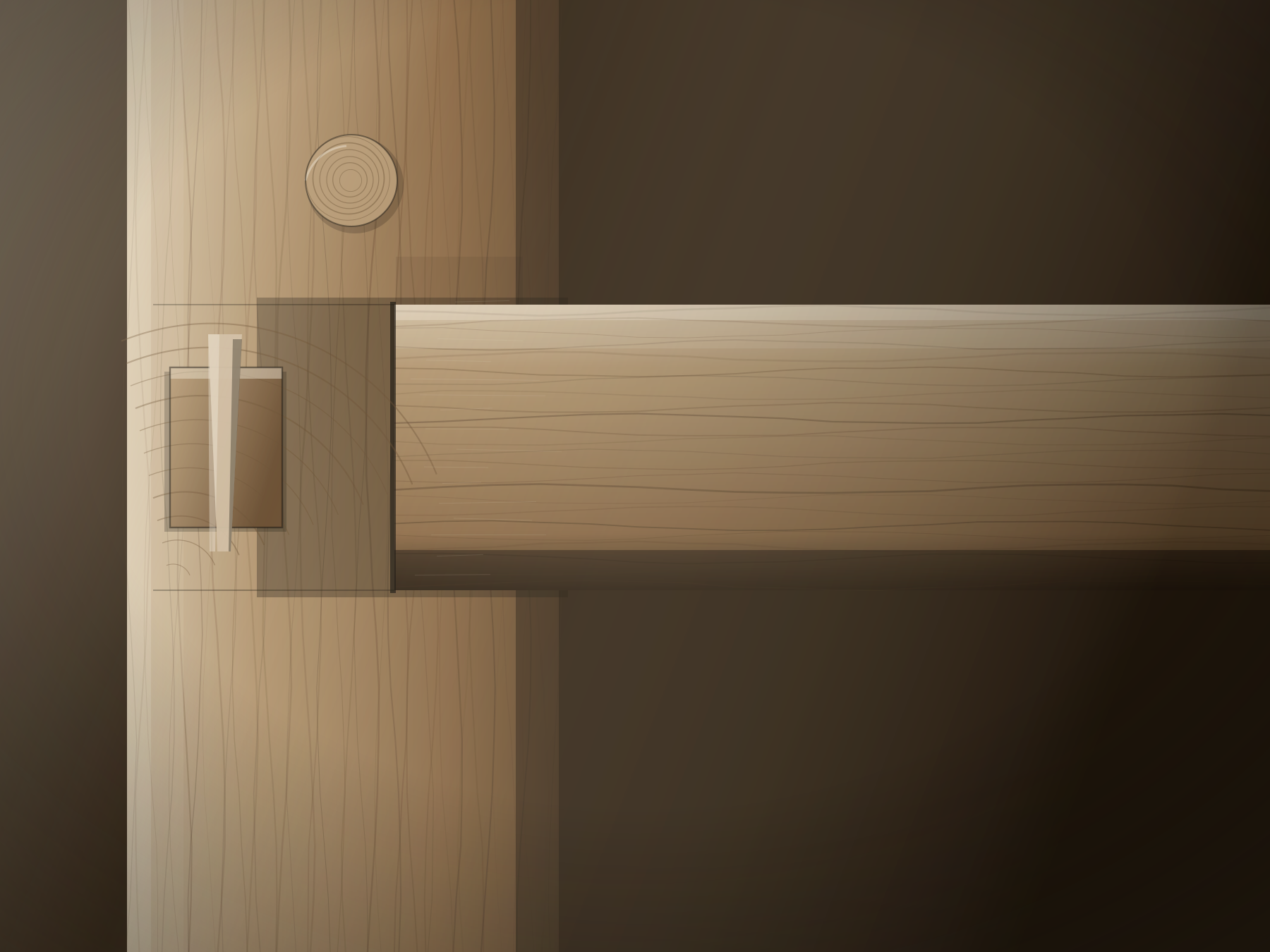
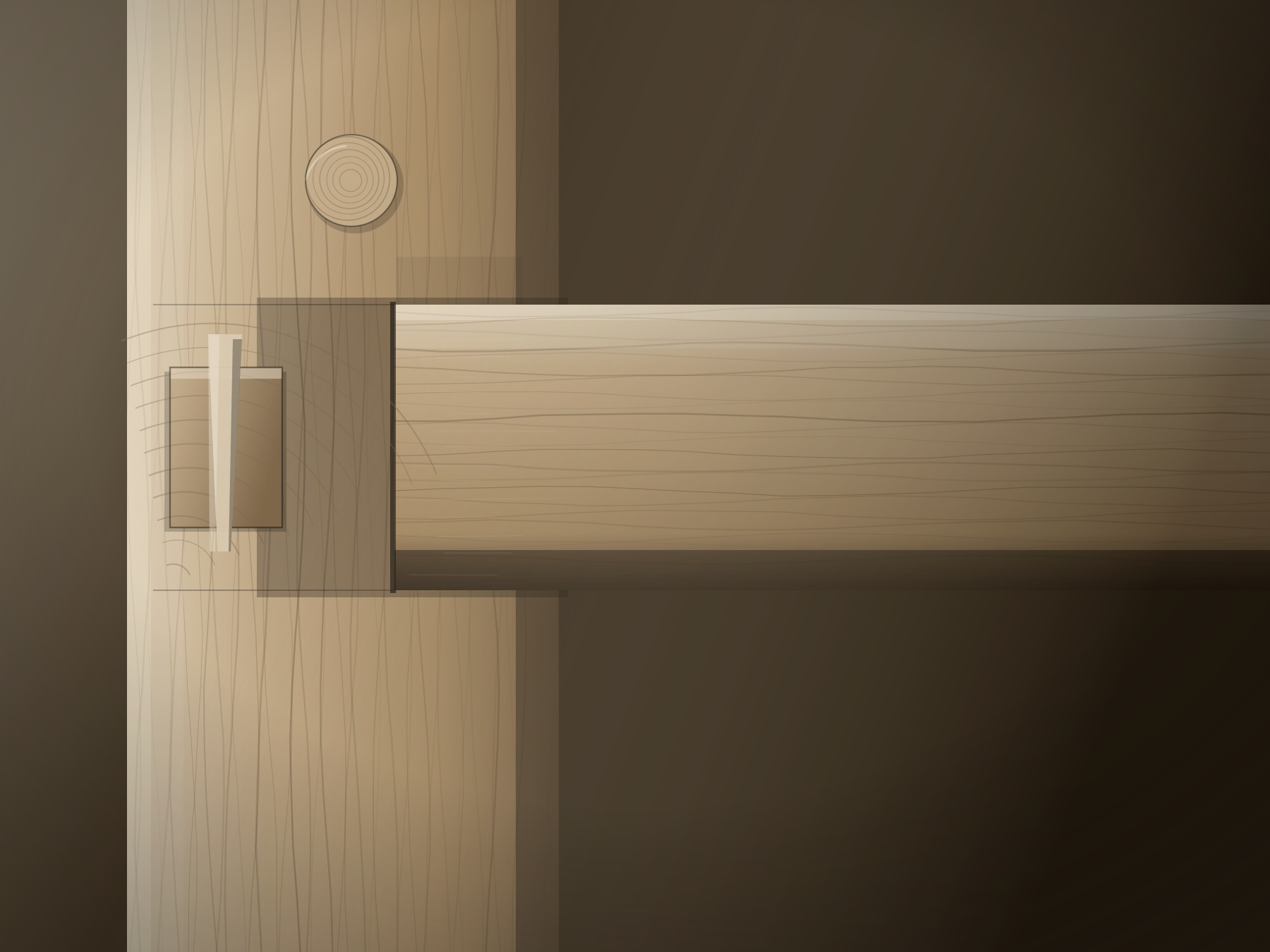
We cut our frames from green white oak, because green oak works under a chisel the way seasoned oak never will, and because a joint cut green tightens as it dries. Every bent is laid out full size on the shop floor, cut, dry-fitted, taken apart and numbered.
There is no steel in a principal frame we build, and no glue. A draw-bored peg — the hole in the tenon offset by an eighth of an inch, so the peg pulls the shoulder home as it is driven — does the work, and has been doing it since the fourteenth century.
Specification
- Species
- White oak, cut green, from within 200 miles
- Joints
- Mortise and tenon, draw-bored; scarfs splayed and tabled
- Pegs
- Riven oak, octagonal, driven not hammered
- Layout
- Full-size on the shop floor, dry-fitted before it leaves
Lime, not cement, and every stone cut on site
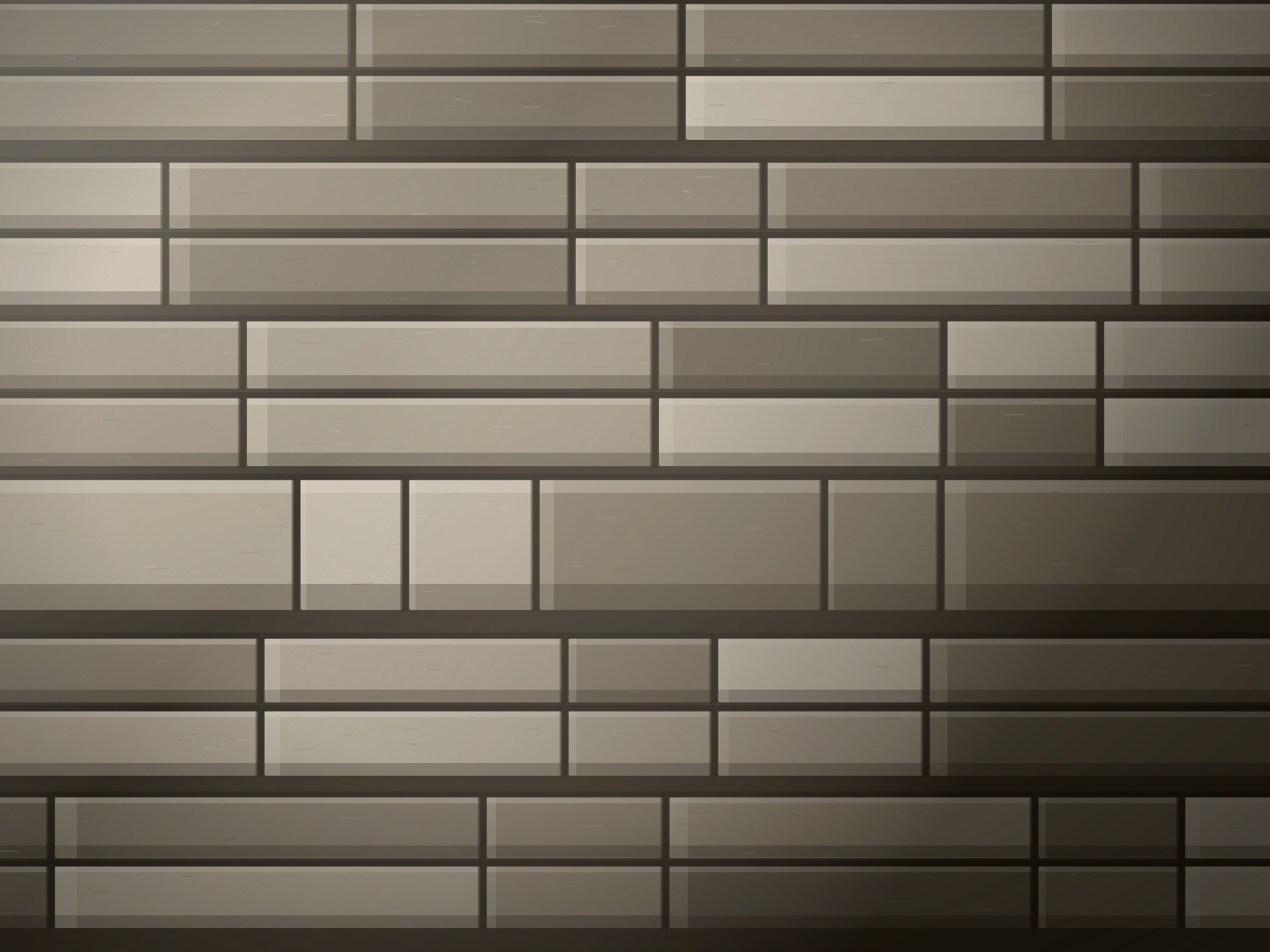
The single most damaging thing done to old masonry in the last eighty years is cement pointing. Cement is harder and less permeable than most building stone; water that cannot leave through the joint leaves through the face of the stone, and takes the face with it. We have raked out miles of it.
We point in hot-mixed lime, gauged to the original where we can analyse it. On new work we build load-bearing where the design allows — a wall that carries its own weight is quieter, more stable in temperature, and repairable indefinitely.
Specification
- Mortar
- Hot-mixed lime, matched to surviving original
- Cutting
- Every face stone cut on site by the mason laying it
- Coursing
- Random-coursed with a through-stone every third course
- What we do not use
- Cement pointing on historic fabric. Ever.

Four years of air-drying before the first cut
Timber comes to our shop green and is stickered outdoors for four years before anyone touches it. Kiln-dried stock is quicker and moves more; in a house with big seasonal swings, a panel that moves is a panel that splits.
Mouldings are run on our own spindle from profiles we take off the building — on a restoration, we would rather copy the 1829 ovolo in the room than buy the nearest catalogue match. Faces are finished with a hand plane, which leaves a very slightly undulating surface. It catches light in a way sanded timber does not, and you can see the difference from across a room.
Specification
- Drying
- Air-dried four years, stickered, under cover
- Profiles
- Taken off the building; ground in-house
- Finish
- Hand-planed, then oil or wax. No sprayed lacquer.
- Fixings
- Cut nails and hide glue on historic work
Six weeks to carbonate, and it cannot be hurried
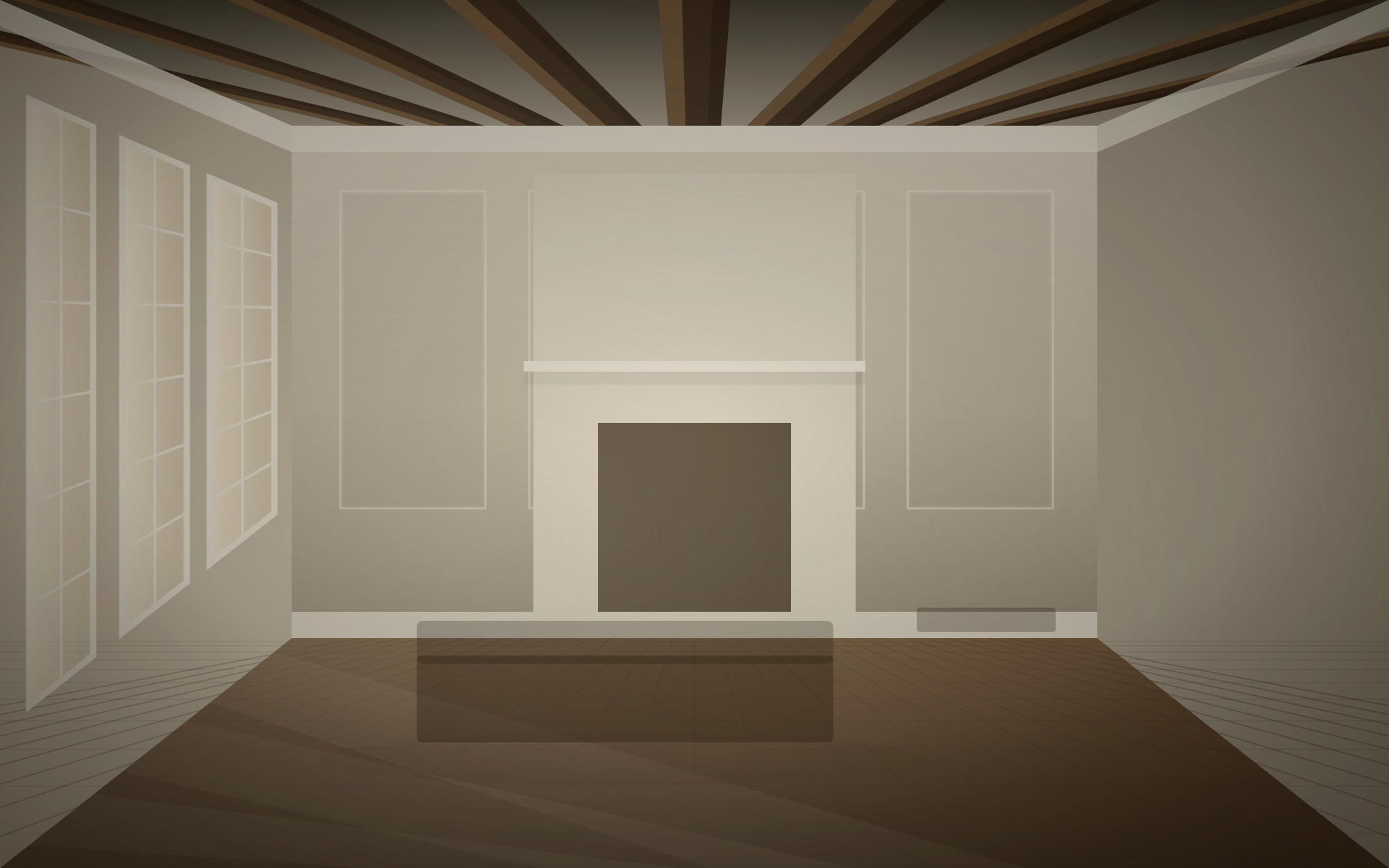
Three-coat lime on riven lath: a scratch coat, a float coat, and a fine setting coat, each allowed to carbonate before the next. It takes about six weeks, which is why almost nobody does it, and we programme the whole job around it.
Lime moves with the building instead of cracking away from it, buffers humidity, and can be patched invisibly in a century by anyone who learns the trade. Enriched cornice we run in situ with a horsed mould, from a section taken off a sound length in the room — the same way it was run the first time.
Specification
- System
- Three-coat lime on riven chestnut or oak lath
- Cornice
- Run in situ from a site-taken mould, in lime putty
- Programme
- Six weeks minimum to carbonate; no accelerators
- Repair
- Original ceilings retained and reattached with washers where sound
The shop
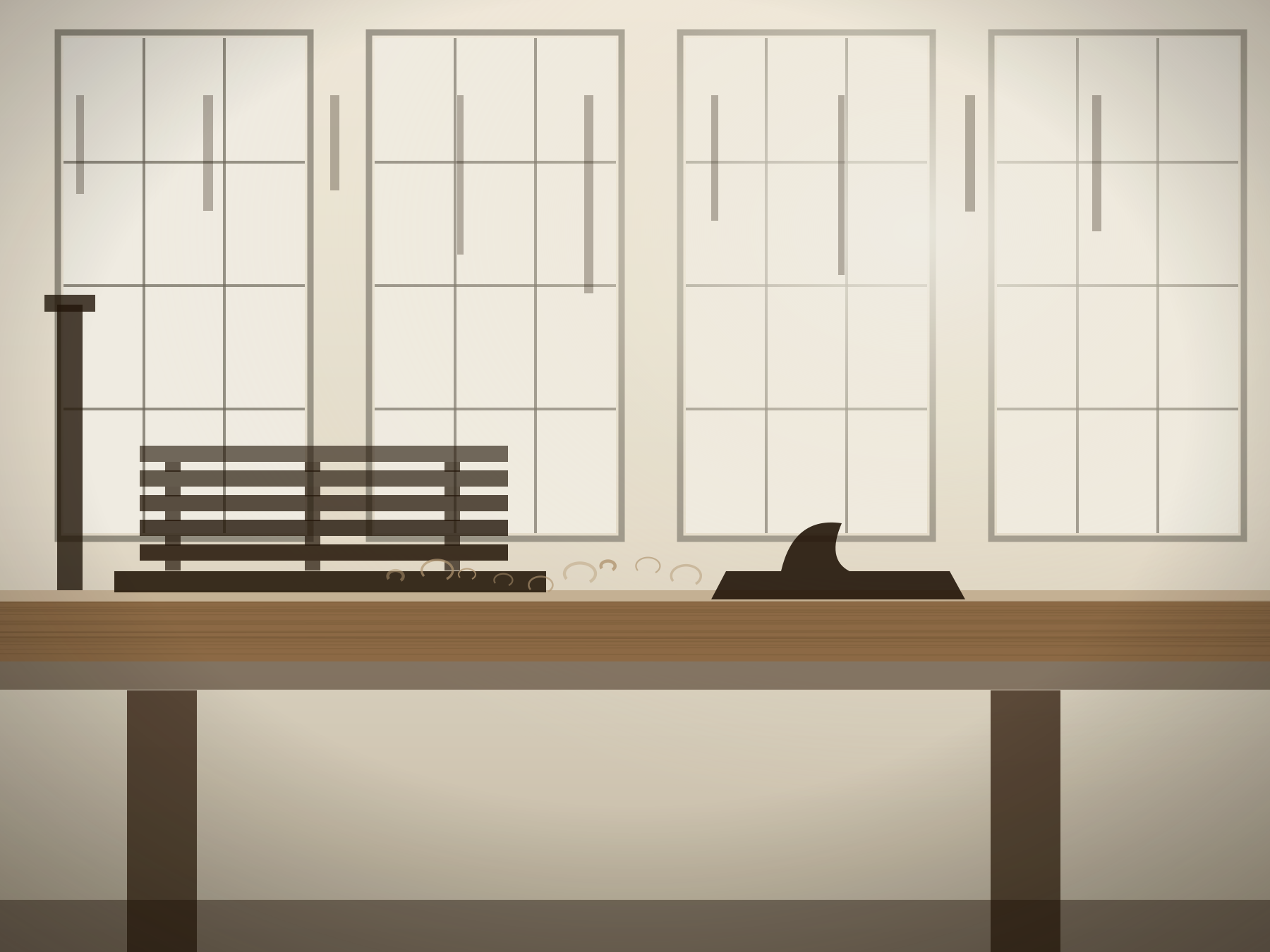
Nine thousand square feet in Stevenson: a framing bay long enough to lay out a forty-foot bent, a joinery shop, a drying shed, and a yard where the oak sits for four years before anyone is allowed near it.
Building in the shop rather than on site sounds slower and is not. Work done under cover, on a flat floor, at a bench, at the right height, in good light, by someone who is not also waiting on a delivery, is better work — and it is dry-fitted twice before a client ever sees it.
Clients are welcome in the shop at any point. Most come once during their frame and then keep coming.
Every house begins with a long conversation.
We take on a small number of projects each year, and we would rather talk early — before the drawings harden — than late. Tell us where you are and what you are hoping to make.